Investment Titan Fidelity Pushes SEC for Expanded Crypto Broker-Dealer Framework
In a letter to the regulator's crypto task force, the financial services powerhouse advocates for tokenized security trading via alternative trading platforms and blockchain-based traditional finance integration.
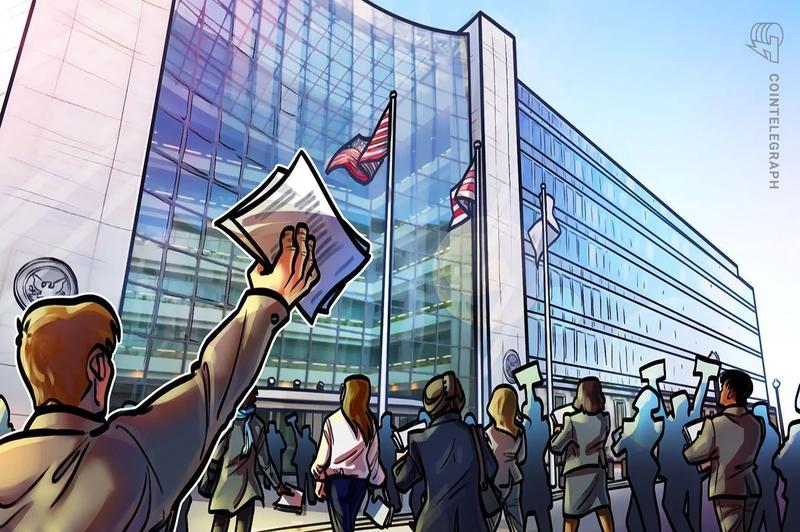
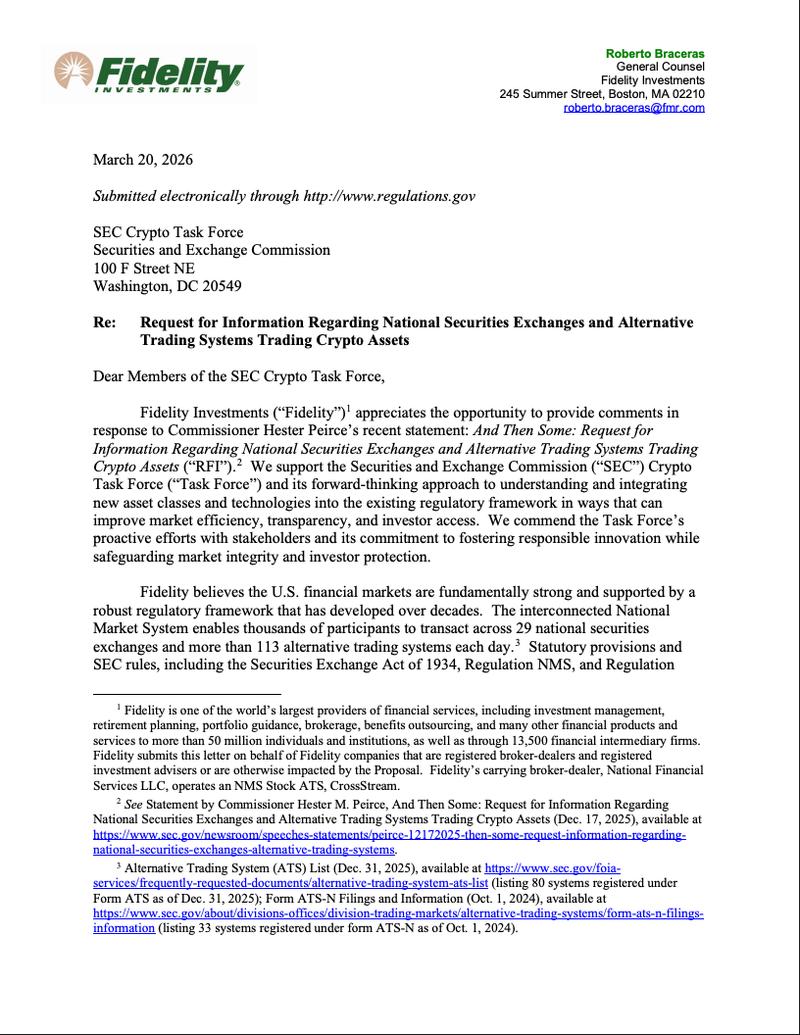
In a Friday communication with the US Securities and Exchange Commission (SEC), Fidelity Investments recommended that the regulator advance its work on establishing regulatory parameters enabling broker-dealers to provide, safeguard and facilitate trading of digital assets through alternative trading systems (ATS).
The communication from the nation's third-largest investment management firm came as a response to the regulator's Crypto Task Force solicitation for public input issued earlier in the month.
According to Fidelity, establishing a thorough regulatory structure and unambiguous guidelines for the trading of tokenized securities is "critical," encompassing protocols for the exchange of tokenized securities created by external entities.
The correspondence noted that tokenized financial instruments feature diverse issuance frameworks, legal considerations, and approaches to valuation. As an illustration, tokenized real-world assets (RWAs) encompass vastly different asset categories including equities, real estate holdings, bonds, and private credit instruments.
"Tokenization models vary significantly in structure and in the rights afforded to holders," the letter said. The company explained:
"In some models, the crypto asset represents a holder's indirect interest in the underlying security through a securities entitlement, while in others, the crypto asset may constitute a securities‑based swap, which may be offered only to eligible contract participants."
The investment firm also encouraged the SEC to address the regulatory divide separating centralized from decentralized trading platforms to "consider how intermediated and disintermediated trading venues can evolve and coexist," according to the company's general counsel, Roberto Braceras.
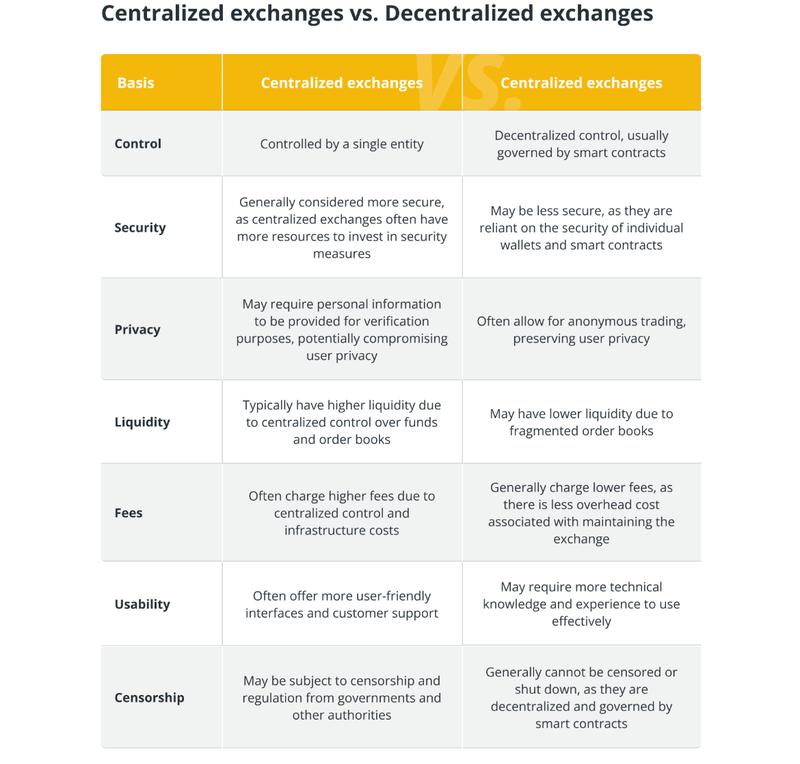
This encompasses revising current reporting obligations to acknowledge that decentralized finance (DeFi) trading venues and additional "disintermediated" infrastructures lack the capability to generate the granular financial disclosures mandated by the SEC due to the absence of a centralized governing entity.
Furthermore, Fidelity put forward recommendations that the SEC provide guidance allowing broker‑dealers to leverage distributed ledger technology for ATS and additional recordkeeping functions.
Reforming reporting mandates to acknowledge this technological landscape eliminates "undue burden" from decentralized infrastructures, according to the correspondence.
Under the stewardship of Chairman Paul Atkins, the Securities and Exchange Commission has consistently demonstrated openness toward 24/7 capital markets operations and has granted regulatory authorization for financial institutions to explore tokenized trading mechanisms.
Federal banking regulators affirm tokenized securities face identical capital requirements as their underlying assets
Securities that have been tokenized, encompassing equities, debt instruments, real estate investment trusts (REITs) and additional securitized holdings, must comply with identical banking capital standards as the underlying assets they represent.
This position was articulated in a collaborative policy statement released in March by the Federal Reserve, the Federal Deposit Insurance Corporation (FDIC) and the Office of the Comptroller of the Currency (OCC).
"The technologies used to issue and transact in a security do not generally impact its capital treatment," according to the agencies.