Institutional Tokenization Advances as Nasdaq and Talos Address $35B Collateral Challenge
A new partnership integrates Nasdaq's surveillance and collateral infrastructure with Talos's trading platform for institutions, tackling the issue of $35 billion in locked collateral.
Digital asset infrastructure provider Talos will receive access to Nasdaq's Calypso risk and collateral platform along with its trade surveillance system through a newly announced integration with the exchange operator's institutional trading tools.
Unveiled on Monday, the integration is designed to deliver institutional clients a "unified" operational framework for handling tokenized collateral while simultaneously monitoring both cryptocurrency and conventional assets for indications of market manipulation. The partnership addresses what Nasdaq characterizes as a significant constraint in institutional tokenization efforts, with the company's proprietary research indicating that approximately $35 billion in collateral remains locked in "corrective and non-interest-bearing measures."
With Nasdaq's trade surveillance tools now integrated, clients of Talos will gain the capability to configure alerts for suspicious trading patterns including wash trading, spoofing and layering across all the trading venues they utilize.
According to both organizations, the collaboration is designed to introduce "institutional-grade" compliance frameworks to cryptocurrency asset markets.
Crypto's recent history offers reasons for caution
The cryptocurrency industry's track record includes numerous instances of the very practices that Nasdaq and Talos are working to combat, notwithstanding earlier assertions of institutional-quality compliance infrastructure and monitoring capabilities.
Back in 2020, Canadian cryptocurrency platform Coinsquare acknowledged engaging in fabricated wash trades that represented over 90% of its publicly reported trading volume, resulting in a regulatory settlement with the Ontario Securities Commission and the removal of multiple senior executives from their positions.
During 2022, the implosion of FTX, a United States-based cryptocurrency exchange, exposed how a platform that marketed advanced risk management capabilities had provided an affiliated entity with what authorities characterized as an unrestricted credit facility and exemptions from critical safety controls.
As recently as January 2025, blockchain forensics company Chainalysis discovered that suspected wash trading activities and pump-and-dump operations continued to represent substantial volumes throughout decentralized finance liquidity pools, while illicit cryptocurrency transaction volumes climbed to nearly $51 billion in 2024.
Part of a broader tokenization push
Talos, which serves a client base spanning from hedge funds to brokerage firms, increased its Series B funding round by an additional $45 million in January, bringing the total to $150 million at an estimated valuation of roughly $1.5 billion, with investment participation from Robinhood Markets and BNY.
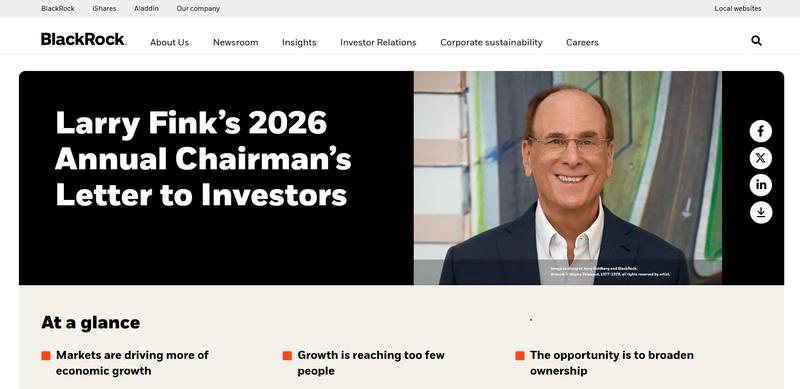
This partnership with Nasdaq arrives at a time when BlackRock CEO Larry Fink communicated to shareholders through his 2026 annual letter that tokenization represents "updating the plumbing of the financial system" and could be experiencing a developmental phase comparable to the internet in 1996, contending that blockchain‑based asset representations have the potential to expand market access and reduce operational expenses across financial markets.
Nasdaq and Talos are far from the only players pursuing this market opportunity, with Intercontinental Exchange, the parent company of the New York Stock Exchange (NYSE), building a blockchain‑based infrastructure for around-the-clock trading of tokenized equities and ETFs, while global investment management firm Franklin Templeton continues expanding its tokenized US government money market funds alongside collateral programs designed for institutional participants.