Former Treasury Secretary Sounds Alarm on Looming Bond Market Crisis, Demands Emergency Response Strategy
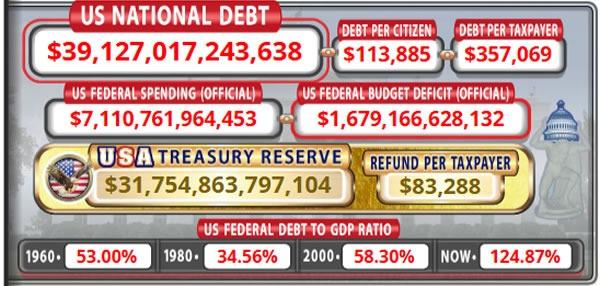
Henry Paulson, who previously served as Treasury Secretary, has issued a stark warning about a possible Treasury market meltdown and called for immediate preparation of crisis protocols as American debt exceeds $39 trillion.

Henry Paulson, who previously led the Treasury Department, has called on government officials in the United States to develop a crisis response strategy to address a potential future scenario where demand for US Treasury securities collapses, cautioning that the consequences would be "vicious."
"We need an emergency break-the-glass plan, which is targeted and short-term, on the shelf, so it's ready to go when we hit the wall," Paulson stated during a Bloomberg interview conducted on Thursday.
"People say, when are you going to hit the wall? I obviously don't know, it's impossible to know. When we hit it, it will be vicious, so we have to prepare for that eventuality."
Treasury securities issued by the United States government function as the foundation of worldwide financial markets, operating as a "risk-free" standard against which other investment vehicles, including corporate debt instruments, home loans, and equities, are valued in relation to Treasury securities. Any disruption could trigger cascading consequences throughout global markets.
Economic analysts have been sounding alarms for years regarding a possible "doom loop" scenario in which market participants begin requiring elevated returns on Treasury securities because of concerns associated with the federal government's expanding debt obligations, which have now exceeded $39 trillion.
Such a scenario could lead to rising interest payment obligations, presently standing at 4.3% for 10-year securities, which would further expand the budget shortfall. However, should the Treasury Department find itself unable to secure sufficient funding to cover interest obligations, widespread expectations are that the Federal Reserve would step in as the primary purchaser, according to Bloomberg's reporting.
A double-edged sword for crypto
Multiple possible consequences for cryptocurrency markets could materialize should the $31 trillion Treasury securities market in the United States experience a breakdown.
A crisis involving the Treasury market might potentially initiate a movement toward alternative wealth preservation vehicles like Bitcoin (BTC) or precious metals. Such a scenario may unfold should the Federal Reserve find itself compelled to finance government debt through monetary expansion, fueling concerns about inflation and eroding faith in the US dollar.
That said, Tether, which issues the world's most widely used stablecoin, maintains backing primarily through Treasury securities, with 63% of its aggregate reserves consisting of Treasury bills issued by the United States government and 10% held in overnight reverse repurchase agreements, based on data from the Tether transparency report.
Andri Fauzan Adziima, who serves as research lead at the Bitrue trading platform, shared with Cointelegraph that this continues to be a "watch-list macro tail risk," though should it materialize, there may be near-term difficulties through "spiking yields, tighter global liquidity, and risk-off selling that hits BTC and altcoins hard while amplifying stablecoin risks."
"Tether alone holds over $120 billion in Treasurys, making it vulnerable to redemption runs or depegs if confidence erodes and it faces fire-sale pressure."
Yet, over an extended timeframe, such events might "accelerate a flight to non-sovereign stores of value, positioning Bitcoin as 'digital gold' amid eroding trust in US debt/dollar dominance,"
The situation carries potentially positive implications should the crisis expose weaknesses in traditional fiat systems without triggering an immediate comprehensive systemic collapse, according to his assessment.
US Treasury conducts largest debt buyback
On Thursday, the Treasury Department of the United States executed its most substantial single debt repurchase operation, acquiring $15 billion in value of previously issued securities with maturity dates ranging from 2026 through 2028.
Operations of this nature improve market liquidity for Treasury securities by removing less actively exchanged bonds from circulation and delivering liquidity along with cash to bondholders who may choose to reinvest these funds in other areas of the broader financial system.