Crypto Biz: Bitcoin Emerges as Potential Payment Method for Hormuz Strait Transit
Tehran could mandate Bitcoin toll payments from oil tankers navigating the Strait of Hormuz, introducing a novel cryptocurrency application amid shifting geopolitical dynamics in international commerce.

The world's leading cryptocurrency is positioning itself as a possible element within the delicate truce currently forming between Iran and the United States following 39 days of military confrontation that destabilized the area and led to the blocking of the Strait of Hormuz.
Iran appears unwilling to release its control over this crucial shipping channel responsible for approximately 20% of worldwide petroleum transportation. The nation intends to oversee passage through the waterway in partnership with Oman, imposing fees on maritime vessels requiring secure transit.
This is precisely where Bitcoin (BTC) enters the equation. These financial transactions may extend beyond conventional monetary systems. According to the Financial Times, Hamid Hosseini, representing Iran's Oil, Gas and Petrochemical Products Exporters' Union, stated that specific vessels might face requirements to settle payments using BTC to ensure safe transportation of their petroleum shipments.
"Once the email arrives and Iran completes its assessment, vessels are given a few seconds to pay in Bitcoin, ensuring they can't be traced or confiscated due to sanctions,"
Hamid Hosseini
Should this approach be adopted, it would represent a significant departure for Iran, which had previously indicated acceptance exclusively of the Chinese yuan for strait toll collections.
This edition of Crypto Biz examines Iran's purported cryptocurrency strategy, Jamie Dimon's most recent observations regarding blockchain technology and market competition, plus the current administration's position concerning stablecoin interest payments.
Iran seeks crypto tolls from ships crossing Strait of Hormuz
Vessels navigating the Strait of Hormuz face growing demands to settle passage charges using digital currencies, as Tehran strengthens its authority over this globally significant maritime corridor, based on Financial Times reporting.
Available information suggests that ships, especially those transporting crude oil, face charges potentially reaching several million dollars for each journey, with settlements conducted through cryptocurrency or non-traditional monetary instruments. Iran's Revolutionary Guard Corps enforces this framework, having limited waterway access to exclusively permit authorized maritime traffic.
This situation unfolds against a backdrop of persistent regional hostilities and an unstable ceasefire agreement, with Iran leveraging its strategic positioning over the strait for political advantage. Given that approximately one-fifth of worldwide petroleum movements pass through this channel, cryptocurrency payment adoption highlights both the geopolitical implications and the manner in which blockchain-based assets facilitate circumvention of conventional banking infrastructure.
Jamie Dimon warns blockchain and AI are coming for banking
The chief executive of JPMorgan, Jamie Dimon, cautioned that technological innovation-powered challengers are creating challenges for conventional banking institutions, emphasizing both artificial intelligence capabilities and developing financial systems.
Within his yearly communication to shareholders, Dimon referenced financial technology firms and non-banking entities implementing blockchain along with additional technologies to construct more efficient, economically advantageous platforms. He further suggested that stablecoins merit consideration as components of the comprehensive transformation occurring throughout financial service sectors.
The nation's largest financial institution, measured by total assets, has already committed substantial resources toward developing proprietary blockchain systems, including its Kinexys platform, as it seeks competitive positioning in sectors like payment processing and asset tokenization where emerging market participants are achieving advantages over established institutions.
Bernstein says Figure stock could double on tokenization growth
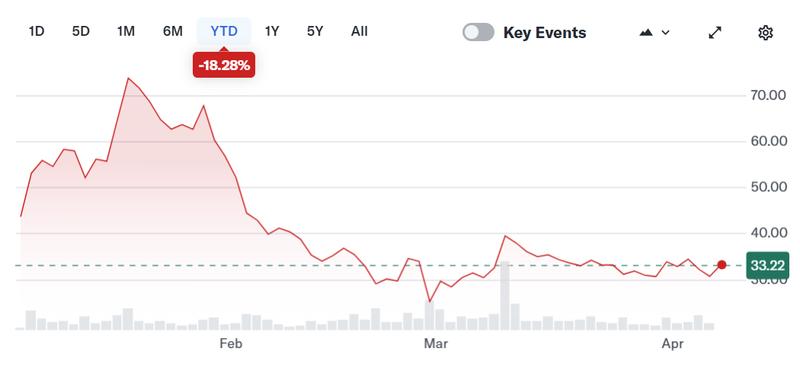
Financial analysts from Bernstein indicate that Figure Technologies' accelerating lending expansion demonstrates the promise of blockchain-powered credit services, proposing that the organization's equity valuation remains considerably beneath fair market value at present trading levels.
Through a recently published analysis, Bernstein reported Figure exceeded $1 billion in monthly loan originations, demonstrating increasing market adoption. The firm designated the equity with an "Outperform" rating alongside a $67 valuation target, representing approximately twice current market pricing.
Figure's credit platform operates through the Provenance blockchain, engineered to minimize operational expenses and accelerate loan approval workflows. Bernstein's research team indicated this operational framework may enhance profit margins relative to conventional lending institutions, especially as transaction volumes expand.
Stablecoin yield ban would lift bank lending just 0.02%, White House says
Economic advisors within the White House indicated that imposing restrictions on interest-generating stablecoins would produce minimal effects on banking sector credit activity, contradicting assertions that such financial instruments represent substantial risks to deposit stability.
Based on research conducted by the Council of Economic Advisers, prohibiting yields on stablecoins would likely boost bank lending volumes by merely 0.02%, implying minimal crossover effects into conventional banking systems. This assessment emerges while yield-bearing stablecoins continue representing a contentious element within ongoing market framework legislative discussions.
The analysis additionally identified possible negative consequences. Constraining yield opportunities may diminish advantages for consumers through eliminating access to superior investment returns, illustrating a policy consideration for regulatory authorities evaluating stricter oversight of this industry segment.
Crypto Biz is your weekly pulse on the business behind blockchain and crypto, delivered directly to your inbox every Thursday.