Class-Action Lawsuit Targets Gemini Following Strategy Change and Share Price Collapse
A class-action lawsuit has been filed against cryptocurrency exchange Gemini, with plaintiffs claiming the company made an "abrupt corporate pivot to a prediction-market-centric business model" following its initial public offering.

A proposed class action lawsuit has been filed against Gemini in New York, alleging the cryptocurrency exchange misled investors both during and following its September initial public offering.
Shareholders filed the class action lawsuit on Thursday in Manhattan federal court, naming Gemini, co-founders Cameron and Tyler Winklevoss, along with other company executives as defendants. The legal complaint alleges they made false and misleading statements within the company's IPO documentation.
The lead plaintiff, Marc Methvin, asserted that IPO documents presented Gemini as an expanding cryptocurrency exchange concentrated on growing its customer base and global presence, but the company subsequently executed an "abrupt corporate pivot to a prediction-market-centric business model."
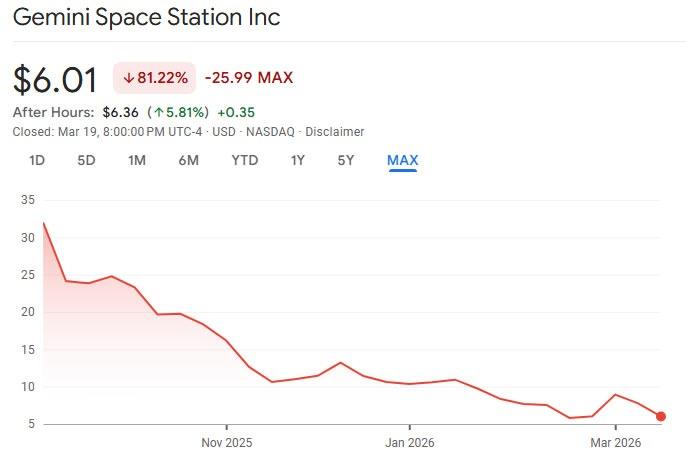
The cryptocurrency exchange conducted its IPO in September, with shares initially priced at $28 on the Nasdaq exchange. While the stock momentarily reached $40, it has subsequently plummeted by over 80% to approximately $6 as of Thursday's trading session.
The lawsuit's plaintiffs are requesting a jury trial along with monetary damages to compensate investors who purchased shares at what they allege were "artificially inflated prices" in the period immediately following the IPO.
Prediction market pivot caused stock drop, say shareholders
The complaint states that during November, executives at Gemini publicly highlighted the company's international expansion achievements, declaring their commitment to entering "key global markets."
According to the lawsuit, Gemini's IPO documentation characterized the exchange platform as the company's "core product." Nevertheless, in early February, the Winklevoss twins unveiled a strategic shift toward prediction markets, which they branded "Gemini 2.0."
The company simultaneously revealed plans to reduce its workforce by 25% and withdraw operations from the European Union, United Kingdom, and Australian markets.
In that same month, the company experienced the departure of its chief financial officer, chief operations officer, and chief legal officer, while simultaneously reporting operating expenses had surged by approximately 40%, the lawsuit states.
The legal complaint asserts that these developments resulted in "significant losses and damages" for the class action group members, as Gemini's share price plunged to a record low of $5.82 by February 20.
On Thursday, Gemini disclosed that its Q4 revenues increased 39% year-on-year to reach $60.3 million, surpassing analyst projections of $51.7 million.