BlockShoals confirms Binance's Philippine operations comply with SEC regulatory framework
BlockShoals reports that Binance's reentry into the Philippine market operates through an SEC sandbox program, enabling trading services without requiring a VASP license from local authorities.
Through its partnership arrangement with BlockShoals Technologies, Binance has been granted permission to offer cryptocurrency trading services to Philippine-based users, though neither entity possesses authorization to facilitate peso transactions or conduct other banking activities that fall under the central bank's regulatory purview, according to Marie Antonette Quiogue, a legal adviser for the operation.
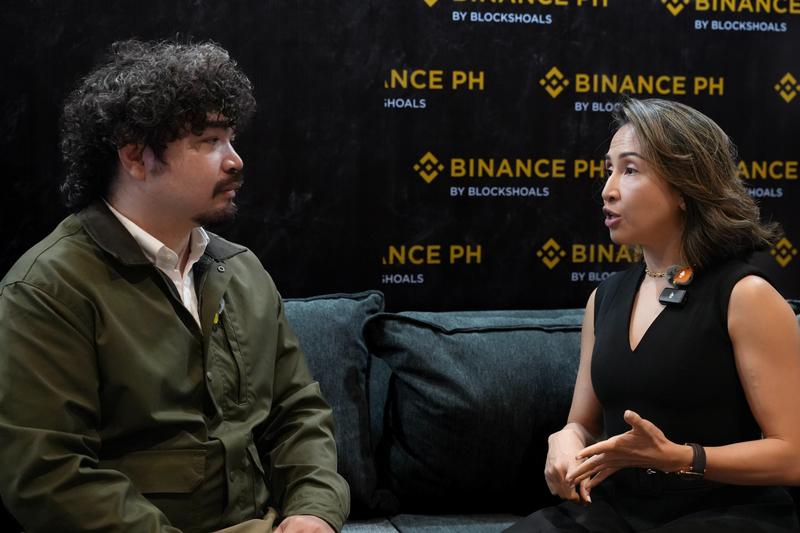
During a Friday interview with Cointelegraph at Philippine Blockchain Week 2026, Quiogue, who heads the legal department at BlockShoals, explained that the local Binance operations function within the Securities and Exchange Commission's (SEC) crypto asset service provider (CASP) regulatory framework. BlockShoals functions as an intermediary for crypto assets, she noted, connecting users in the Philippines with Binance's international trading infrastructure.
This operational structure represents a component of Binance's strategy to rebuild its foothold in the Philippine market following regulatory actions in 2024 that sought to limit the exchange's accessibility due to licensing issues. According to BlockShoals' explanation of the framework, the organization operates as a participant in the SEC's Strategic Sandbox, known as StratBox.
The Bangko Sentral ng Pilipinas (BSP), which serves as the country's central banking authority, informed Cointelegraph that authorization to function as a virtual asset service provider (VASP) has not been granted to either Binance or BlockShoals.
Participation in the regulatory sandbox does not exempt an entity from complying with applicable laws, rules, and regulations, including any licensing requirements imposed by relevant regulators
Bangko Sentral ng Pilipinas (BSP)
The BSP further indicated that coordination with the SEC regarding this matter was underway.
BlockShoals argues SEC framework permits trading access
Quiogue did not challenge the BSP's public statement and confirmed that applications for local VASP licensing had not been submitted by either Binance or BlockShoals. However, the legal representative maintained that operating under SEC authority does not require VASP licensure for the services currently being provided by the two companies.
Trading, the activity of trading, is clearly under the jurisdiction of the SEC. Binance and BlockShoals, we are not moving pesos, which is clearly under the jurisdiction of the BSP.
Marie Antonette Quiogue, head of legal at BlockShoals
According to her explanation, the current regulatory arrangement mandates that both BlockShoals and Binance secure proper authorization from the appropriate regulatory body should they decide to launch services that extend beyond the SEC's regulatory scope.
If BlockShoals and Binance will be offering any product that is regulated by any other government agency, you have to get an authority from them
Marie Antonette Quiogue
Binance returns after Philippine access restrictions
Regulatory authorities in the Philippines initially directed attention toward Binance in November 2023, at which time the SEC issued a public advisory stating that the trading platform lacked proper authorization to market or sell securities within Philippine territory, having failed to secure the required licensing and official registration.
By March 2024, the regulatory commission announced it had formally requested the National Telecommunications Commission to implement blocking measures against the Binance website and its associated web properties. Following this directive, internet service providers operating within the country began implementing access restrictions to the platform.
As of publication time, the Binance platform remained accessible to individuals located in the Philippines.