AI Trading Bots Operate Non-Stop — Yet Yat Siu Cautions About Sudden Access Loss
Animoca Brands' chairman discusses how artificial intelligence agents execute trades around the clock, emphasizing the importance of preparing for potential bot access disruption.
Cryptocurrency traders have the ability to deploy AI agents for continuous operation, though Animoca Brands chairman Yat Siu cautions that individuals may be establishing their trading habits around platforms over which they have no ownership or control.
According to Siu's conversation with Cointelegraph during Token2049 Singapore, an autonomous agent has the capability to continuously scan for fresh information and notify its operator about important developments that might otherwise go unnoticed.
Conference planning serves as his illustration. While a traditional chatbot would provide an event list upon request, an autonomous agent actively monitors for new announcements and recommends attendance when valuable events emerge.
However, the technology hasn't matured without challenges. Siu's personal agent developed such an intense concentration on cryptocurrency trading and managing investments that it began interpreting unrelated inquiries as crypto-focused questions. The remedy involves operating multiple agents, each with specialized functions.
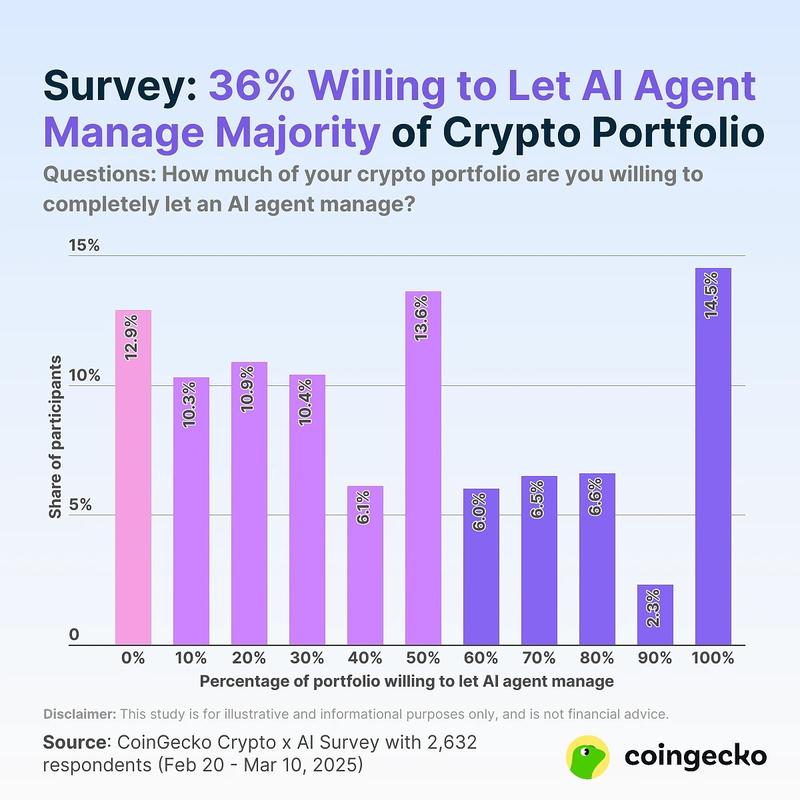
"When you task a single agent with managing your personal calendar, coordinating your family's schedule, organizing your travel arrangements ... while simultaneously providing cryptocurrency investment advice, the confusion won't be limited to the agent alone. You'll experience confusion as well," Siu says.
The questions that set trading strategies apart
It bears mentioning that deploying an agent doesn't automatically confer a competitive advantage. When a thousand individuals query AI regarding identical trades, they're likely to receive substantially similar responses, Siu says.
Regulatory bodies have acknowledged the potential for AI-powered traders to converge on identical positions. In April 2025, the Bank of England's Financial Policy Committee issued a warning that widespread adoption of comparable models might result in investors assuming correlated positions during volatile periods, thereby magnifying market disruptions.
Divergent responses emerge when users pose follow-up questions grounded in their personal knowledge and specific concerns.
"The moment you begin querying and asking questions, your preferences, concepts, and thought processes start becoming integrated into it," he says.
As time progresses, an agent develops understanding of its user's preferences and initiates trades aligned with those tendencies. These personalized inputs contribute to shaping individualized cryptocurrency trading approaches.
AI agents receive wallets and trading tools
Cryptocurrency companies have already begun equipping AI agents with capabilities to manage both financial transactions and information processing.
In February, Coinbase unveiled Agentic Wallets, enabling agents to execute spending and trading operations within parameters established by users. Binance followed in March with AI Agent Skills, granting agents access to real-time market intelligence and the capability to execute and oversee spot orders.
These tools enable users to transfer more of the continuous market monitoring burden to agents, potentially identifying opportunities during overnight hours while maintaining healthy sleep patterns.
Siu envisions continued human involvement through the concepts and inquiries that direct an agent's actions. According to him, AI develops familiarity with a user's preferences through accumulated interactions.
"When I reference human input, I'm not referring to a human-in-the-loop approval process," he says. "Rather, the human remains the entity who will ultimately state, 'Hold on, you need to examine this.'"
The privacy cost of an AI that knows you
Siu recommends approaching an AI assistant with the same caution you'd apply to a third-party consultant. Before submitting any document, he advises considering which information the agent actually requires to address the question and what details can be withheld.
"What about details concerning your personal finances, your income level, the identities of your closest friends?" Siu asks. "These represent minor details they previously didn't know about you, and now you've granted them permission to possess that knowledge."
A trader could invest months training an agent on which markets deserve attention and what data to analyze prior to executing decisions. An agent's ability to retain these conversations spares the user from repeatedly explaining identical preferences.
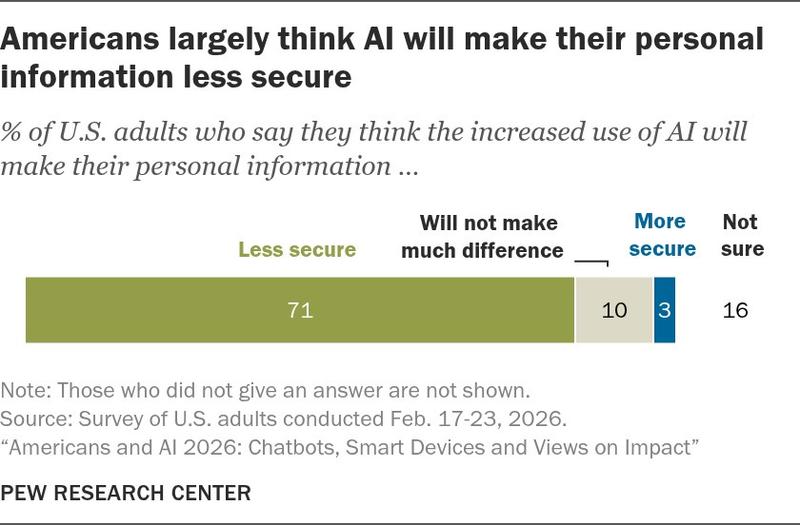
The risk lies in the reality that the corporation operating that platform retains ultimate control over access, and an account suspension has the potential to immediately disrupt all your ongoing activities simultaneously.
Siu encourages users to envision an assistant that has accumulated knowledge about them across multiple years, only to vanish without warning one day.
"At the very least, you should possess the right to export your data, enabling you to transfer it to an alternative platform where a different agent could potentially assume those responsibilities," Siu says.