AI-Powered Hotel Reservations Now Possible Through Travala's USDC-Based Protocol on Base
Singapore's Travala unveils a pioneering AI-driven hotel booking system that operates on USDC via Base, Coinbase's layer-2 network, enabling AI agents to handle searches and reservations with human-approved payment finalization.

Crypto travel platform Travala, headquartered in Singapore, has unveiled a protocol that enables artificial intelligence agents to search for, reserve, and process payment for hotel accommodations using USDC (USDC) on Base, a layer-2 blockchain network, marking an expansion of agentic AI stablecoin payment systems into the travel reservation sector.
According to a statement provided to Cointelegraph, the Travala Travel MCP has gone live via Claude Desktop, with the capability for external developers to incorporate it into their proprietary travel agent applications.
According to the company, this system bridges Travala's hotel inventory database with AI agents using the Model Context Protocol, which serves as an open standard for connecting AI applications to third-party tools. The payment mechanism utilizes Coinbase's x402 protocol operating on Base, with Travala stating that this configuration enables gasless USDC transactions, settlement occurring in near-real-time, and booking transaction fees hovering around $0.01 each.
AI travel still needs human approval
That said, the final step of payment authorization continues to require manual confirmation from the user, which means the system isn't completely autonomous but represents a significant advancement beyond chatbots that merely suggest travel plans.
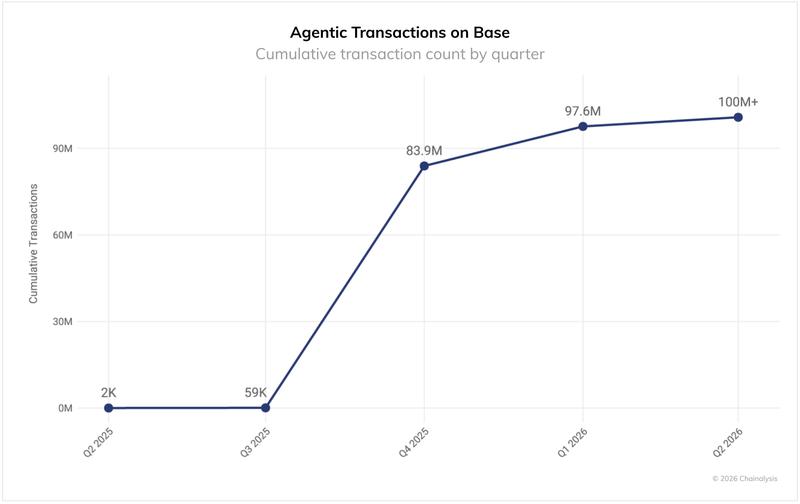
This product release arrives as cryptocurrency firms attempt to establish stablecoins as practical tools for machine-to-machine transactions and follows a series of crypto payment infrastructure developments targeting AI agents. Cointelegraph recently documented that x402-connected wallets operating on Base exceeded 100 million transactions, while companies including Fireblocks, MoonPay, Exodus and Oobit have introduced solutions designed for AI-powered stablecoin payment processing.
Travala positioned the product launch as a preliminary move toward fully autonomous travel reservation systems, despite travelers maintaining ultimate payment approval authority, and announced it is providing developers with a 10% Coinbase Wrapped BTC (cbBTC) rebate on successfully completed stays that are booked via its agents.
The launch of the world's first agentic AI travel protocol marks the death of the checkout button.
Travala CEO Juan Otero
According to Otero, this represents the beginning of "a truly autonomous travel economy."
The company explained that the configuration employs ERC-7715 session keys, which permit the AI agent to initiate a payment request while preserving ultimate signing control within the traveler's digital wallet. According to Travala, the protocol has the ability to preserve context throughout searches, bookings and cancellations within a unified chat conversation.
Travala plans broader travel rollout
According to Travala, the protocol provides access to over 2.2 million hotel properties, featuring listings from major chains such as Marriott, Hilton and IHG, all of which are obtained via its aggregator partnerships.
The firm stated it intends to broaden the protocol's scope beyond hotel accommodations to encompass additional travel services, such as flight bookings, and anticipates that its Travala (AVA) loyalty token will facilitate future Travel MCP applications.
Established in 2017, Travala operates in competition with other crypto-accepting travel platforms like Sleap.io and Alternative Airlines, although its newest protocol moves the competitive landscape from cryptocurrency payment options toward AI-agent booking technology infrastructure. According to the company, it supports payment in over 100 different cryptocurrencies in addition to traditional fiat currencies.
Additional reporting by Christina Comben.