Nvidia's Huang: China Possesses Sufficient Computing Resources for Mythos-Level AI Development
According to Nvidia's CEO Jensen Huang, China currently possesses both the computational capacity and available data center infrastructure required to develop AI systems comparable to Anthropic's Claude Mythos.
Jensen Huang, the chief executive of Nvidia, has issued a statement indicating that China possesses both the necessary computational resources and data center infrastructure to develop an artificial intelligence system on par with Anthropic's Claude Mythos AI model, potentially creating risks for worldwide cybersecurity.
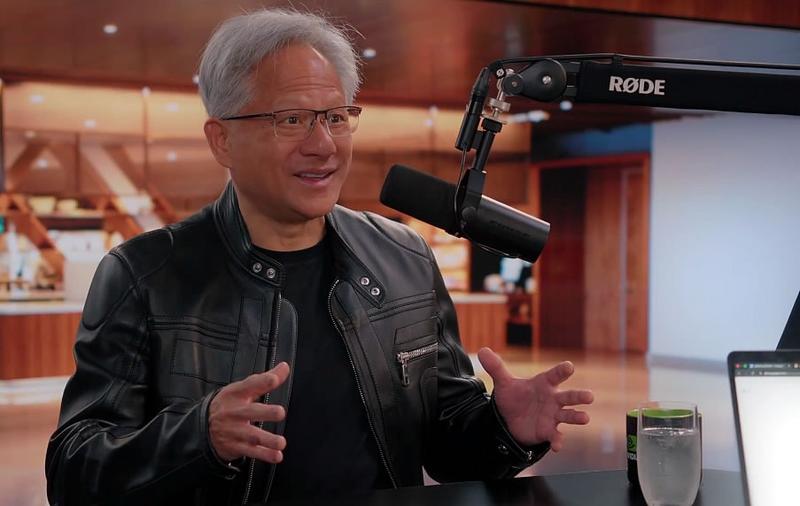
During a Wednesday interview on the Dwarkesh Patel podcast, Huang was questioned about whether Chinese governmental access to chips capable of training a model similar to Claude Mythos — an AI system with cyberoffensive abilities — might pose risks to United States national security.
According to Huang, Mythos underwent training using "fairly mundane capacity."
"The amount of capacity and the type of compute it was trained on is abundantly available in China, so you just have to first realize that chips exist in China."
In April, Anthropic restricted access to its latest AI model following the discovery of thousands of software vulnerabilities spanning major operating systems and browsers, prompting worries about the potential for exploitation in cyberattacks. An AI model developed in China with equivalent capabilities could cause significant damage if utilized maliciously.
According to Huang, China's computational resources are "enormous."
"They have datacenters that are sitting completely empty, fully powered. You know, they have ghost cities, they have ghost datacenters too. They have so much infrastructure capacity. If they wanted to, they [could] just gang up more chips."
A call for dialogue, not conflict
Huang went on to note that China is responsible for manufacturing 60% of the world's mainstream chips, employs some of the most talented computer scientists globally, houses 50% of the world's AI researchers and possesses an abundance of energy resources.
"Victimizing them, turning them into an enemy, likely isn't the best answer," he said. "They are an adversary."
"We want the United States to win. But I think having a dialogue and having research dialogue is probably the safest thing to do."
Earlier this week on Tuesday, Scott Bessent, the US Treasury Secretary, praised Mythos as a groundbreaking advancement that will maintain America's competitive edge over China in artificial intelligence development. "This Anthropic Mythos model was a step function change in abilities, learning capabilities," he said, according to Bloomberg.
Claude Mythos poses a real threat
On April 7, Anthropic published its findings regarding Claude Mythos Preview, triggering concerns that the system could be weaponized in cyberattacks given its capability to identify and potentially leverage zero-day vulnerabilities. The company further stated that 99% of the vulnerabilities the model identified have not been patched yet.
On April 13, the AI Security Institute (AISI) conducted an evaluation of Mythos, determining that the AI model could "execute multi-stage attacks on vulnerable networks and discover and exploit vulnerabilities autonomously," tasks that would take human professionals days of work.
According to a Tuesday report from Reuters, AI-enhanced hacking operations utilizing Mythos could pose severe consequences for banking institutions, which frequently rely on software that is decades old.